
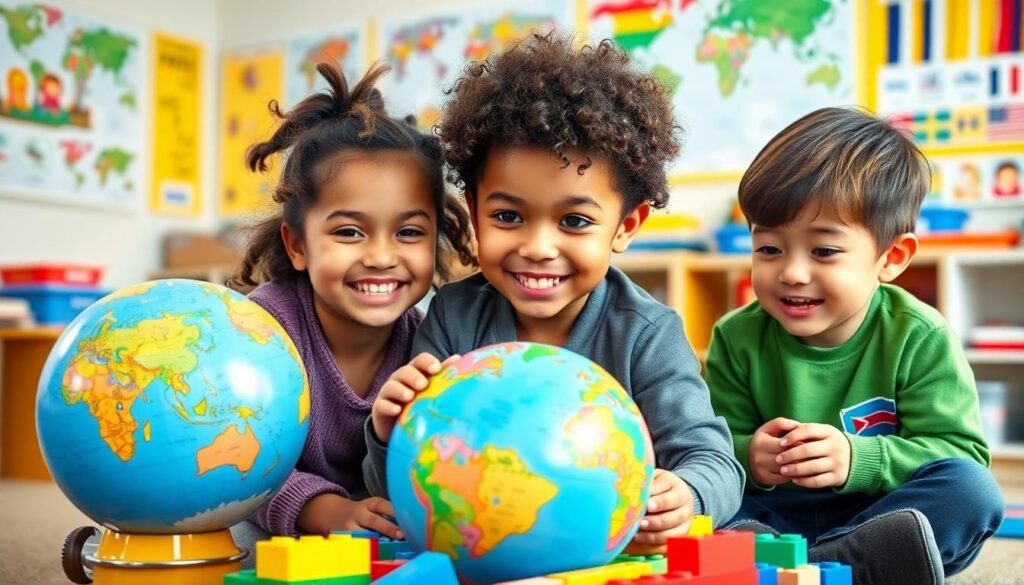
Preschoolers are naturally curious little explorers, eager to learn about the world around them. Social studies activities can turn that curiosity into a fun-filled adventure. Imagine a classroom buzzing with excitement as tiny hands dive into projects that teach them about community, culture, and even a bit of history—all while having a blast!
Engaging preschoolers in social studies doesn’t have to feel like pulling teeth. With the right activities, they won’t just learn; they’ll giggle, play, and maybe even dance their way through important concepts. From pretend play to hands-on projects, these activities spark imagination and foster a sense of belonging. So, buckle up for a journey through the vibrant world of social studies, where learning feels like play and every lesson is an opportunity for laughter.
Importance Of Social Studies Activities For Preschoolers
Social studies activities play a crucial role in preschoolers’ development. Engaging students in these activities enhances their understanding of community and culture, which lays the foundation for social awareness. Children learn about their surroundings by exploring diverse perspectives, leading to stronger critical thinking skills.
Pretend play serves as an effective method for fostering empathy. Through role-playing, children gain insights into different roles within their communities. They can create scenarios that mimic real-life situations, which cultivates social skills necessary for cooperation and collaboration.
Hands-on projects encourage children to investigate their environment. Activities like building models of their neighborhoods or creating timelines of personal history deepen their connection to the material. Exploring local history and traditions introduces children to the significance of cultural heritage.
Authentic discussions broaden children’s awareness of the world around them. By participating in conversations about family, customs, and local events, preschoolers learn to recognize similarities and differences among themselves and others. These interactions also promote language development, enhancing vocabulary and communication skills.
Social studies activities create an inclusive atmosphere in the classroom. They help children appreciate diversity and embrace differences, fostering mutual respect among peers. Such an environment supports teamwork and collaboration, allowing children to thrive while building lasting friendships.
Social studies activities engage preschoolers, promoting comprehensive understanding of their world. Learning becomes a fun and interactive experience, paving the way for future exploration and growth.
Types Of Social Studies Activities
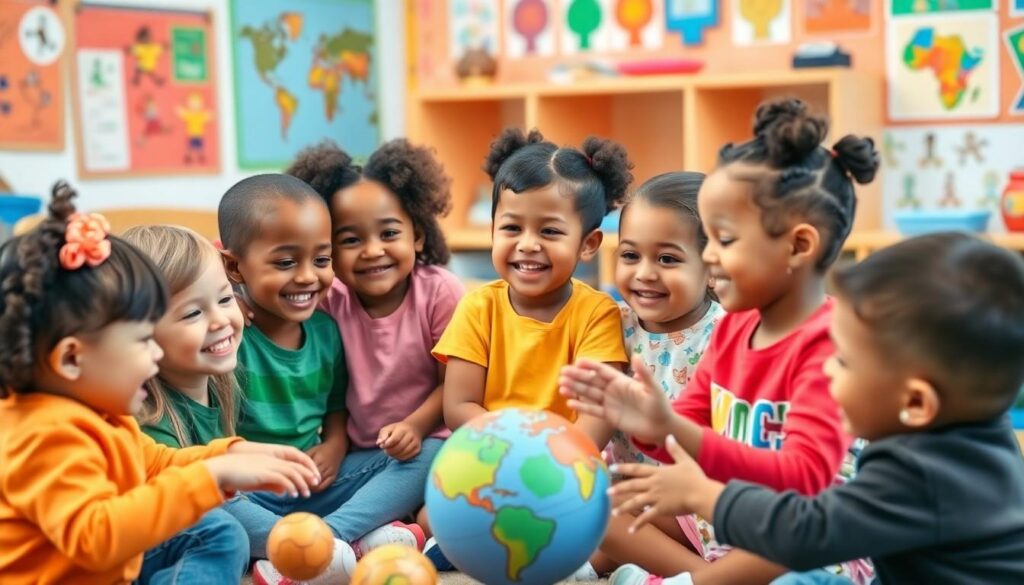
Social studies activities encompass a variety of engaging methods that develop preschoolers’ understanding of their world. Each type plays a significant role in enhancing social awareness and empathy.
Interactive Games
Interactive games draw preschoolers’ attention while teaching essential social concepts. Role-playing scenarios allow children to act out real-life situations, fostering their understanding of community roles. Games that involve teamwork help develop collaboration skills, as kids work together to achieve common goals. Additionally, games that introduce diverse cultures encourage appreciation for differences. Children might play charades or scavenger hunts, making learning dynamic and fun. Ultimately, these games promote essential social skills while ensuring an enjoyable learning experience.
Storytelling Sessions
Storytelling sessions captivate preschoolers and immerse them in rich narratives. Through stories, children explore different cultures, communities, and historical events. Engaging with diverse characters broadens their perspectives on various lifestyles and traditions. Interactive storytelling encourages participation, as children can act out parts or respond to questions during the narrative. Using story-related props enhances engagement and visual learning. As kids share their own stories in response, self-expression, and communication skills flourish. These sessions plant seeds of curiosity, making learning about the world an exciting adventure.
Benefits Of Engaging Preschoolers In Social Studies
Engaging preschoolers in social studies activities presents numerous developmental advantages. These activities foster curiosity and create connections to their communities.
Cognitive Development
Cognitive skills flourish when preschoolers participate in social studies. Engaging in hands-on projects and interactive games strengthens critical thinking. Exploring diverse cultures and community roles enhances children’s ability to observe, analyze, and make connections. Preschoolers develop problem-solving skills as they navigate different scenarios during role-playing. Furthermore, these activities stimulate memory retention by linking lessons to real-life experiences. Children grasp complex concepts through storytelling, making ideas more accessible. Learning about historical events encourages a sense of time and sequence, essential to cognitive development.
Social Skills Enhancement
Social skills improve significantly through social studies activities. Participating in group projects cultivates teamwork and cooperation among preschoolers. Engaging in role-play scenarios allows children to practice communication and empathy. Sharing their thoughts during discussions fosters respect and appreciation for others’ perspectives. Children learn to resolve conflicts constructively while navigating social interactions. Encouraging collaborative games strengthens their ability to work toward common goals. An inclusive atmosphere supports friendships, teaching preschoolers the value of diversity. Overall, these interactions help develop self-confidence and enhance social competence.
Tips For Implementing Social Studies Activities
Implementing social studies activities effectively requires thoughtful approaches that engage preschoolers. These strategies enhance their learning experiences and promote exploration of community and culture.
Creating A Learning Environment
Fostering a positive learning environment encourages curiosity and engagement. It’s important to ensure classrooms are bright and inviting, filled with diverse materials and resources. Arrange the space to facilitate group work, allowing children to interact while exploring different cultures. Incorporate visual aids such as maps and posters to provide context. Designate areas for role play, promoting imaginative scenarios involving community interactions. Providing ample hands-on materials, from costumes to cultural artifacts, supports active participation and learning.
Encouraging Parental Involvement
Involving parents in social studies activities enriches children’s learning experiences. Communicating the value of these activities helps parents understand their impact. Organizing family-oriented events, such as cultural nights, invites parents to share their backgrounds. Establishing communication channels for feedback fosters collaboration between home and school. Encourage parents to read stories or share experiences related to social studies, enhancing children’s connections. Providing resources like activity guides empowers parents to continue learning at home.
Conclusion
Engaging preschoolers in social studies activities not only makes learning enjoyable but also nurtures essential skills for their development. These activities foster a sense of community and cultural appreciation while promoting empathy and teamwork. By creating an inclusive environment, children learn to celebrate diversity and build strong social connections.
The benefits extend beyond the classroom as parents and educators work together to enhance children’s experiences. With the right approach and resources, social studies can become a vibrant part of early education. Embracing these activities opens the door to a world of exploration and growth, setting the stage for lifelong learning.