
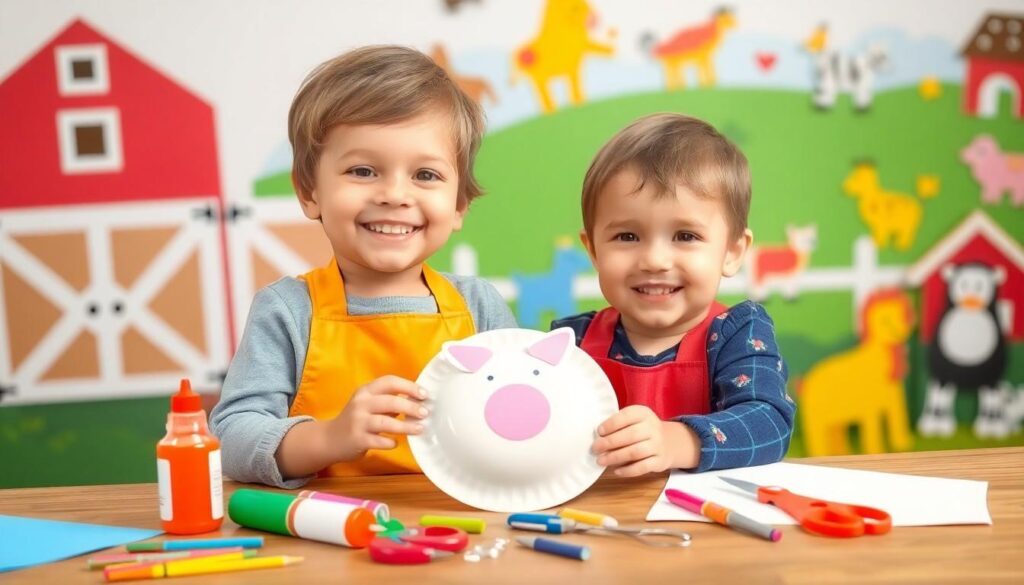
When it comes to keeping toddlers entertained, farm crafts are a winner. Imagine tiny hands creating adorable barnyard animals while giggling at their own masterpieces. These crafts not only spark creativity but also provide a fun way to learn about farm life. Who knew that a little glue and some colorful paper could turn a rainy afternoon into a barnyard bash?
Overview of Farm Crafts for Toddlers
Farm crafts for toddlers provide engaging ways to explore creativity while learning about farm life. These activities often involve simple materials such as glue, colorful paper, and recyclable items, making them accessible for parents and educators. Children can create a variety of barnyard animals, including cows, pigs, and chickens, through straightforward instructions and imaginative play.
Art projects centered on farm themes encourage hands-on learning and allow toddlers to develop fine motor skills. Crafting offers a chance to practice cutting, gluing, and assembling, which are essential developmental skills at this age. Collaborative crafting enhances social skills, as toddlers often work together to make larger projects or share ideas.
Ideas for farm crafts include creating paper plate animals, decorating cardboard boxes as barns, or making seed packets from paper. These crafts can incorporate storytelling, turning the activity into an educational experience about animal care and the importance of agriculture.
Sensory experiences emerge through texture exploration, such as using grass, fabric scraps, or natural materials. Each craft activity adds variety and excitement while introducing children to the world of farming. Overall, farm-themed crafts foster creativity, promote learning, and provide an enjoyable, structured outlet for toddlers.
Benefits of Farm Crafts

Farm crafts for toddlers provide numerous benefits that support early development. Engaging in these activities promotes various skills while fostering joy and creativity.
Enhancing Creativity
Creating farm-themed crafts stimulates young imaginations. Art supplies like paper, glue, and markers allow toddlers to explore their artistic expressions. Projects such as making barnyard animals encourage inventive thinking. Through these crafts, children invent stories and scenarios that inspire further creativity. Interactive play also leads to unique designs, showcasing their personalities and preferences.
Developing Fine Motor Skills
Crafting activities enhance toddlers’ fine motor skills effectively. Folding, cutting, and pasting require precise hand movements. Actions involved in creating seed packets or cardboard barns strengthen hand-eye coordination. These tasks promote dexterity, essential for later skills like writing and self-care. Consistent practice in crafting reveals improvements in grip strength and control, benefiting overall development.
Popular Farm Craft Ideas
Farm crafts for toddlers spark creativity and fun. Engaging in various activities enhances motor skills while introducing children to the farm theme.
Animal Puppets
Creating animal puppets brings barnyard friends to life. Cardboard, socks, or paper bags work well for this craft. Toddlers can choose their favorite animals like cows, pigs, and chickens. Decorating the puppets with paint or fabric scraps encourages personal expression. Once crafted, these puppets can inspire storytelling sessions, allowing children to act out their own farm narratives.
DIY Farm Set
A DIY farm set transforms any space into a miniature farm. Materials such as cardboard boxes and felt pieces are ideal for this project. Toddlers can construct barns, fences, and fields, fostering imaginative play. Creating figures of animals adds more detail and excitement to the set. Engaging in this activity helps develop spatial awareness and problem-solving skills as children figure out how to fit their designs together.
Nature Collage
A nature collage offers a tactile experience for toddlers. Collecting leaves, twigs, and flowers allows kids to explore the outdoors. Glue and paper serve as the base for assembling their collected treasures. This craft not only nurtures creativity but also introduces concepts like colors and textures in nature. Crafting collages from nature enhances fine motor skills as toddlers glue, arrange, and press materials onto paper.
Materials Needed for Farm Crafts
Farm crafts require a variety of materials, making the creative process fun and engaging. Using simple items found around the home can enhance a toddler’s crafting experience.
Recyclable Items
Cardboard boxes serve as an excellent foundation for building barns or animal habitats. Egg cartons can transform into playful farm animals. Plastic bottle caps add an interactive element when crafting wheels or animal features. Paper towel tubes become perfect barn structures or animal bodies. Old magazines and newspapers create vibrant collages representing farm life. These recyclable items not only reduce waste but also encourage creativity and resourcefulness in toddlers.
Essential Craft Supplies
Basic craft supplies are vital for any farm-themed project. Glue sticks provide mess-free adhesion for paper crafts. Scissors, specifically child-safe ones, allow toddlers to practice cutting shapes and designs. Crayons and markers offer colorful options for decorating various creations. Construction paper introduces a rainbow of colors for backgrounds and animal art. Googly eyes bring personality to crafted creatures, making them more relatable. Each supply enhances fine motor skills while supporting imaginative play in a farm setting.
Safety Tips for Crafting with Toddlers
Ensuring safety during crafting activities is crucial for toddlers, as their curiosity often leads to exploration. Always supervise toddlers closely while they craft. They might use scissors or other tools, so choosing child-safe options is essential. Opt for scissors specifically designed for small hands, ensuring ease of use during projects.
Using non-toxic materials minimizes risks. Look for adhesives, paints, and papers labeled as safe for children. Reducing choking hazards also matters; small items should be avoided or securely stored away. When working with items like buttons or beads, verify that they are age-appropriate.
Creating a tidy workspace helps prevent accidents. Designate a crafting area that remains clutter-free and organized. Lay down newspaper or a plastic tablecloth to protect surfaces from spills. After crafting, clean up promptly, storing materials out of toddlers’ reach.
Encouraging proper techniques fosters safety. Demonstrating how to use scissors or glue teaches toddlers appropriate methods. Engaging them in discussions about safety while crafting reinforces these lessons. For instance, guiding them to handle materials gently reduces the risk of injuries.
Taking breaks during crafting can also be beneficial. Short sessions prevent fatigue, allowing toddlers to maintain focus and enthusiasm. Keeping crafting time fun and engaging invites recurrent participation in activities.
Monitoring for allergies is also important. Ensuring that materials don’t trigger sensitivities in toddlers protects their health. It’s wise to test new products on a small area first to catch any reactions early.
Establishing these safety practices ensures enjoyable and secure crafting experiences for toddlers. By prioritizing safety, parents and caregivers can support creativity without compromising well-being.
Conclusion
Farm crafts for toddlers offer a delightful way to spark creativity and learning. These activities not only entertain but also nurture essential skills like fine motor development and imaginative play. By engaging in hands-on projects, toddlers explore their artistic sides while discovering the joys of farm life.
With simple materials and a little guidance, parents and caregivers can transform crafting time into enriching experiences. The combination of storytelling and sensory exploration enhances the overall learning journey. Prioritizing safety ensures that these creative sessions remain enjoyable and secure. Embracing farm crafts can lead to hours of fun and valuable developmental benefits for young children.