
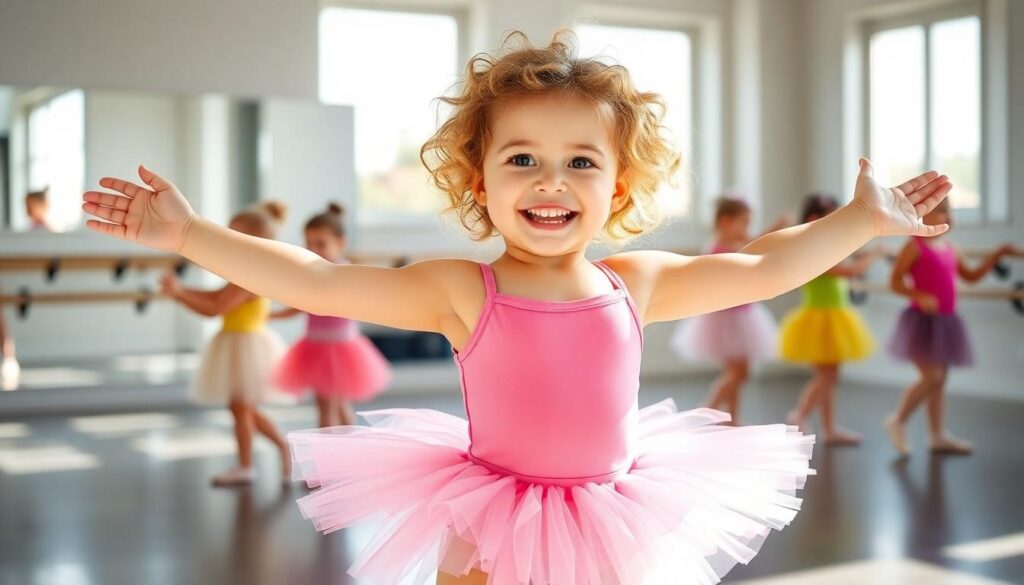
Tiny tutus and little toe shoes are just the beginning of an adventure that could spark a lifelong love of dance. Ballet classes for toddlers offer more than just a chance to twirl and leap; they provide a delightful blend of physical activity, social interaction, and creative expression. Who knew that your little one could master pliés while making new friends and burning off that endless energy?
Imagine watching your toddler transform into a graceful swan—well, at least in their imagination. These classes not only introduce the fundamentals of ballet but also help develop coordination, balance, and confidence. Plus, let’s be honest, nothing’s cuter than a tiny dancer trying to imitate a grand jeté! So, if you’re ready to let your child take center stage, it’s time to explore the magical world of ballet for toddlers.
Benefits of Ballet Classes for Toddlers
Ballet classes for toddlers offer numerous benefits, contributing to their overall development in various ways.
Physical Development
Physical development plays a crucial role in a toddler’s growth. Ballet helps improve coordination through structured movements that require balance and precision. Engaging in dance enhances gross motor skills, allowing toddlers to run, jump, and turn with increased ease. Flexibility increases as they stretch and move, promoting healthy muscle development. Strength builds as toddlers perform various poses and movements, supporting their overall athletic ability. Improved posture contributes to better body awareness and alignment, instilling lifelong habits that benefit their physical health.
Emotional Growth
Emotional growth becomes evident as toddlers participate in ballet classes. The environment fosters creativity, allowing them to express feelings and imagination through dance. Social interaction occurs with peers, building friendships and teamwork skills. Gaining confidence happens as they master new skills and receive praise from instructors, encouraging a positive self-image. Learning discipline takes place as they follow instructions and practice regularly, establishing a sense of responsibility. Joy and excitement shine through as they perform, helping them develop resilience and a passion for the arts.
What to Expect in Ballet Classes

Ballet classes for toddlers offer a delightful blend of structure and fun. Parents can anticipate various activities designed to engage young dancers.
Class Structure
Classes typically last 30 to 45 minutes. Instructors start with simple warm-up exercises that encourage movement. Next, they introduce basic ballet positions, fostering familiarity with the dance style. Games often accompany the learning, promoting coordination and social interaction among peers. Parents should note that engaging music enhances the experience, making each class enjoyable for tiny participants.
Key Techniques
Instructors focus on essential ballet techniques tailored for toddlers. They introduce basic positions like first, second, and fourth, which provide a foundation for movement. Simple stretches enhance flexibility, while fun exercises improve balance and strength. Teachers emphasize creative expression, allowing children to explore their individuality through dance. Repetition of these techniques ensures skill mastery while nurturing confidence and enjoyment.
Choosing the Right Ballet Class
Selecting the right ballet class is crucial for toddlers. Consider factors like age appropriateness and instructor qualifications to ensure a positive experience.
Age Appropriateness
Choose ballet classes tailored for toddlers aged two to four. Classes designed for this age group prioritize playful learning and fundamental movements, ensuring young dancers feel comfortable. Structured programs often use creative themes to make learning engaging. For optimal development, look for classes that focus on basic ballet techniques while allowing for freedom of expression. Parents can find options that introduce dance in a fun and inviting atmosphere, promoting confidence and joy.
Instructor Qualifications
Instructors should possess training in early childhood education and ballet. Qualified professionals understand child development, making them adept at engaging toddlers. Experience in teaching young children is essential; instructors should create a nurturing and fun environment. Look for those certified in ballet instruction, as qualifications indicate a strong foundation of dance knowledge. A positive rapport between instructor and students enhances the learning experience, fostering a love for dance from an early age. Prioritize instructors who are passionate about teaching and can inspire creativity in their students.
Tips for Parents
Supporting toddlers in ballet classes enhances their development and enjoyment. Parents play a crucial role in encouraging participation and creating a nurturing environment for practice.
Encouraging Participation
Fostering enthusiasm for ballet starts with positive reinforcement. Celebrating each achievement, no matter how small, motivates toddlers to continue. Arranging for playdates with classmates strengthens friendships and makes dance more appealing. Regular attendance cultivates routine and commitment, aiding skill development. Clapping and cheering at recitals boosts confidence and instills pride in their progress. Lastly, wearing fun dance attire can create excitement and make classes feel special, resulting in a positive ballet experience.
Supporting Practice at Home
Creating a supportive at-home practice environment enhances learning. Designating a space for dance encourages creativity and freedom of movement. Playing ballet music at home helps children associate familiar tunes with their classes. Incorporating simple stretches and exercises can reinforce techniques learned in class. Parents should join in on the fun, demonstrating movements or simple dances together. Watching ballet videos provides visual inspiration and understanding of dance, enriching their appreciation. Regularly discussing what was learned in class fosters communication and a deeper connection to ballet.
Conclusion
Ballet classes for toddlers offer a delightful opportunity for young children to explore movement while developing essential skills. These classes create a joyful environment where toddlers can express themselves and build confidence. The blend of physical activity and social interaction lays a strong foundation for emotional growth and lifelong friendships.
Choosing the right class and supportive instructors enhances this enriching experience. Parents play a crucial role in nurturing their child’s passion for dance through encouragement and involvement. By enrolling toddlers in ballet classes, families can foster a love for the arts that lasts a lifetime.