
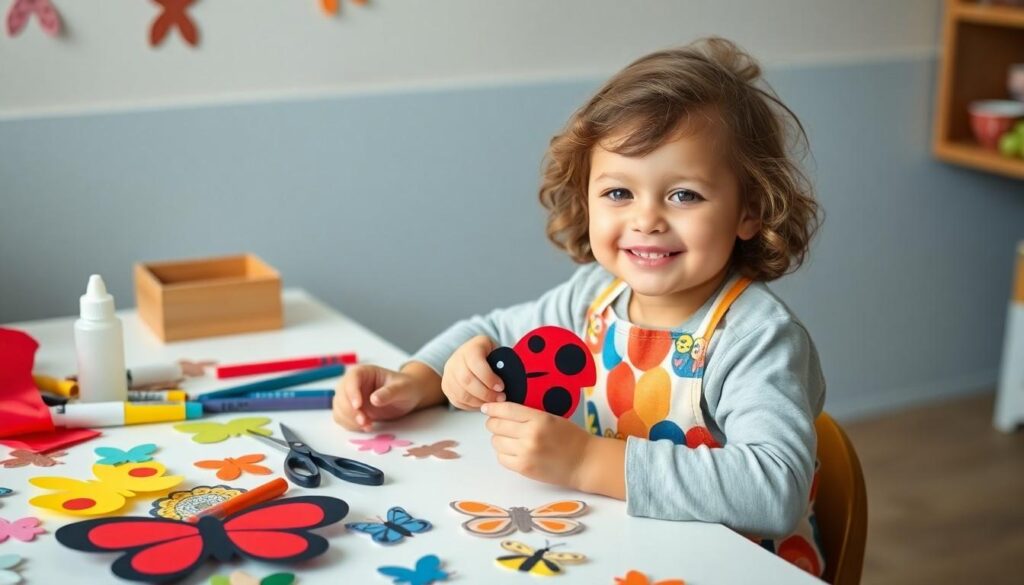
Crafting with toddlers can feel like a wild adventure, especially when bugs get involved! Imagine tiny hands creating colorful ladybugs and fuzzy caterpillars while giggles fill the air. Bug crafts for toddlers aren’t just fun; they spark creativity and foster fine motor skills in the most delightful way.
Overview of Bug Crafts for Toddlers
Bug crafts engage toddlers in creative exploration. These projects introduce various insects, fostering curiosity about nature. Crafting activities often feature basic materials such as paper, glue, and paint. Toddlers enjoy making colorful representations of bugs like ladybugs, butterflies, and bees.
Parents and caregivers can create simple ladybug crafts using red and black construction paper. Children can cut out circles and use markers to add spots. This activity develops fine motor skills while sparking imaginative play.
Additionally, fuzzy caterpillar crafts offer another avenue for creativity. Using pom-poms in an array of colors, toddlers can assemble their own caterpillar creations. This hands-on activity enhances sensory experiences through texture and color.
Incorporating educational elements into bug crafts enriches learning. Discussing the life cycles of insects while crafting encourages cognitive development. Engaging in these conversations helps broaden toddlers’ understanding of their environment.
Moreover, collaborative bug crafts promote social interaction. When working together, toddlers learn to share tools and ideas. This teamwork fosters communication skills and builds friendships.
Bug crafts can also adapt to various themes, such as seasons or habitats. Adjusting the crafts to include local insects keeps the projects relevant. Seasonal decorations featuring bugs allow children to celebrate nature throughout the year.
Overall, bug crafts serve as a fun and educational way for toddlers to explore creativity while enhancing various developmental skills.
Benefits of Bug Crafts
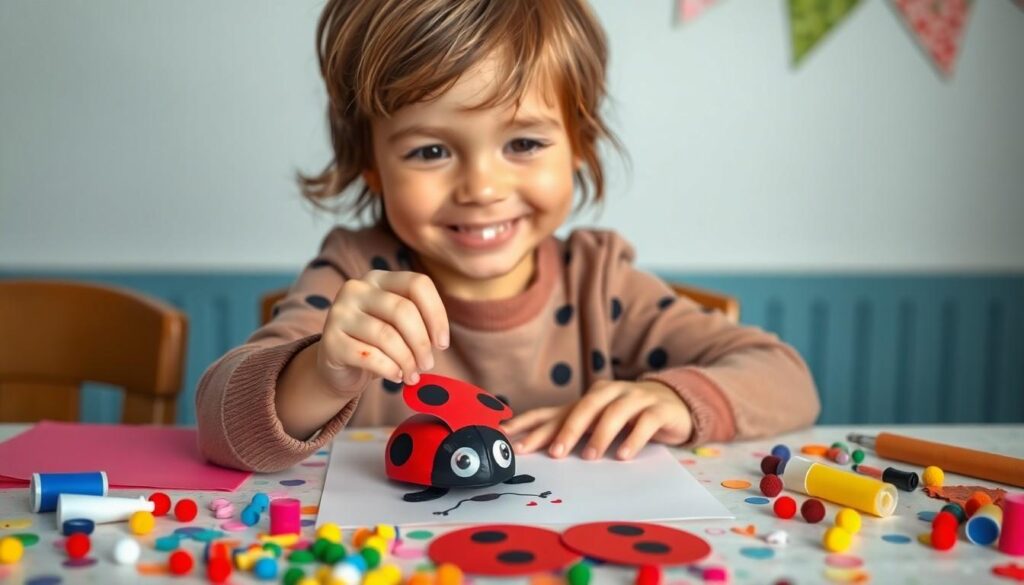
Bug crafts provide numerous benefits for toddlers, enhancing learning through playful engagement. The variety of bug-themed projects promotes awareness of the natural world while encouraging creativity.
Enhancing Creativity
Crafting colorful bugs stimulates toddlers’ imaginative abilities. Creating ladybugs and butterflies allows for artistic expression, letting children experiment with colors and designs. Choosing materials encourages exploration and innovation, helping little ones discover unique ways to represent insects. Engaging in these crafts also fosters independent thinking, as children make decisions throughout the creative process. Sharing their creations with peers nurtures confidence and strengthens a sense of pride in their work.
Developing Motor Skills
Working on bug crafts significantly improves toddlers’ fine motor skills. As kids cut, glue, and paint, they practice hand-eye coordination and dexterity. Manipulating small items, like pom-poms for caterpillars, encourages gripping and pinching actions. Completing craft projects requires focus, reinforcing patience and attention to detail. Tasks such as folding paper or drawing shapes enhance overall coordination, contributing to more sophisticated motor abilities. Engaging in these activities regularly supports physical development, equipping toddlers with essential skills they’ll use throughout their lives.
Popular Bug Crafts Ideas
Bug crafts for toddlers encourage creativity and educational engagement. Here are some popular projects that can inspire fun and learning.
Paper Plate Ladybugs
Creating paper plate ladybugs involves simple materials and steps. First, children paint a paper plate red. Then, they add black spots with paint or markers. Using black construction paper, toddlers can cut out antennae and legs to glue onto the plate. This project strengthens fine motor skills while promoting discussion about ladybug habitats and behaviors.
Handprint Bugs
Handprint bugs are an excellent way for toddlers to engage with art. They start by placing their hand in non-toxic paint, then pressing it onto paper. This method can create various insects, like butterflies or caterpillars. After pressing, children can add details using markers, such as eyes and antennae. Handprint crafts foster creativity while enhancing sensory experiences through paint textures.
Rock Beetles
Rock beetles offer an exciting outdoor craft opportunity. Toddlers can gather smooth rocks from the yard or park. After that, they can paint the rocks in vibrant colors resembling beetles. Using clear sealant afterward protects the artwork. This activity combines nature with creativity, teaching about insects while developing artistic skills. Rock beetles reflect personal expression and encourage outdoor exploration.
Materials Needed for Bug Crafts
Creating bug crafts requires a few basic materials that are easily accessible. These items help toddlers make colorful representations of their favorite insects.
Common Supplies
Construction paper forms the foundation for many bug crafts. Scissors provide a way for toddlers to practice cutting skills with supervision. Glue sticks or liquid glue help attach various elements together. Markers and crayons offer vibrant colors for decorating their creations. Additionally, googly eyes add fun expressions to craft bugs, enhancing their appeal. Cotton balls represent fluffy caterpillars while pipe cleaners can shape antennae or legs. These supplies ensure children explore different textures and shapes during the crafting process.
Eco-Friendly Options
Recycled materials encourage creativity and sustainability. Empty toilet paper rolls make excellent bodies for bugs like ladybugs and caterpillars. Egg cartons transform into delightful bugs when painted and decorated. Natural items such as leaves, twigs, and stones can enhance the connection to nature while creating unique bug crafts. Using non-toxic paints and biodegradable glues keeps the projects safe for toddlers and the environment. Encouraging resourcefulness in craft-making helps instill environmental awareness from an early age.
Tips for Making Bug Crafts Fun
Engaging toddlers in bug crafts promotes enjoyment through exploration. Use bright colors to attract attention and stimulate excitement in young children. Incorporating music during craft time creates a lively atmosphere, encouraging creativity and movement as they work on their projects.
Create a themed space for bug crafting that includes various materials and tools, making the environment visually appealing. Allow toddlers to choose their supplies, fostering independence and personal expression. Interacting with children about their chosen insects enhances their understanding and nurtures curiosity about nature.
Offering simple instructions leads to a successful crafting experience. Break down each project into easy steps, reassuring toddlers that mistakes can lead to unexpected and delightful outcomes. Use praise to boost their confidence as they develop skills through practice.
Incorporate storytelling to spark imagination. Sharing fun facts about bugs, like the role of ladybugs in gardens, fuels interest and enriches the crafting session. Pair each craft with fundamental concepts, such as colors, shapes, and life cycles, deepening toddlers’ educational experiences.
Encourage collaboration by inviting siblings or friends to join. Working together on bug crafts fosters social interaction and strengthens communication skills as children share ideas and help each other. Adaptive projects, which suit varying skill levels, ensure inclusivity during crafting time.
Celebrating completed crafts can enhance motivation. Display creations around the home or host a mini-exhibition, allowing toddlers to showcase their work to family. By making the crafting process enjoyable and rewarding, toddlers develop a love for creative exploration that lasts.
Conclusion
Engaging toddlers in bug crafts offers a delightful blend of creativity and learning. These projects not only spark imagination but also support essential developmental skills. By exploring the world of insects through crafting, children gain a deeper appreciation for nature while enhancing their fine motor abilities.
The simplicity of materials encourages resourcefulness and environmental awareness. Parents can easily adapt projects to fit seasonal themes or educational discussions, making crafting a versatile activity. Ultimately, bug crafts create lasting memories and foster a lifelong love for creativity and exploration in young children.