
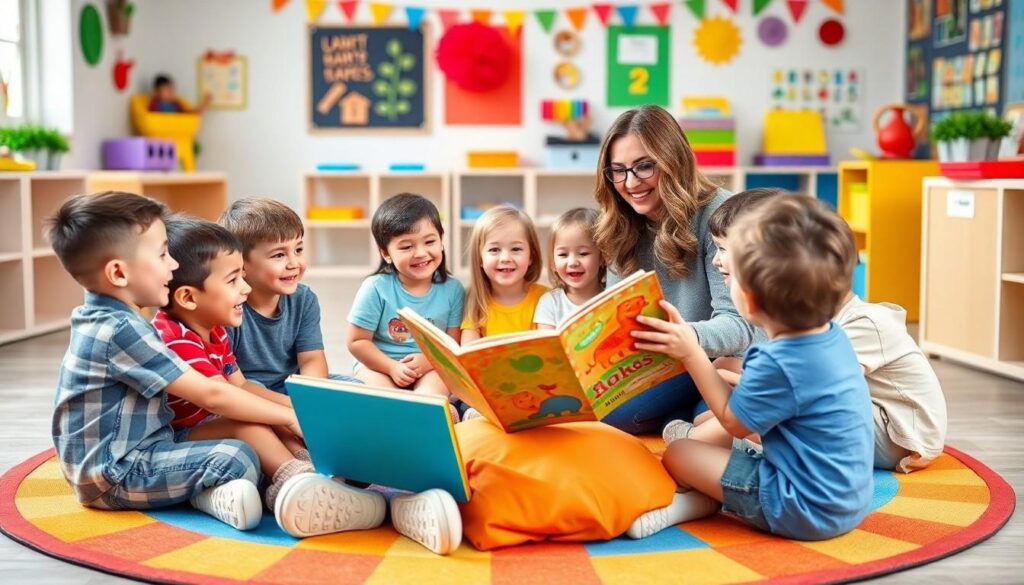
Circle time is where the magic happens for preschoolers. It’s that special moment when little ones gather, ready to dive into a world of stories, songs, and silly games. But let’s face it—keeping their attention can feel like herding cats on roller skates. That’s why having engaging circle time activities is essential.
Importance Of Circle Time Activities For Preschoolers
Circle time activities play a crucial role in early childhood development. These activities foster social skills by encouraging interaction and collaboration among peers. Engaging in songs and stories promotes language development, enhancing vocabulary and comprehension skills.
Routine during circle time offers a sense of security for preschoolers. Familiar activities help manage expectations, aiding in emotional regulation. Participation in group games helps build teamwork and cooperation, essential traits for future social interactions.
Attention spans can be short, making it important to incorporate varied activities. Music, movement, and storytelling capture interest and stimulate cognitive growth. Learning through play encourages creativity and problem-solving skills, vital components of early education.
Imaginative play, introduced during circle time, allows children to express thoughts and feelings. This expression builds confidence and self-esteem, supporting their overall emotional development. Furthermore, circle time provides opportunities for children to practice listening skills, promoting focus and respect for peers’ contributions.
Preparation for structured learning begins with circle time. Engaging in activities like sharing news or discussing daily themes cultivates a sense of belonging. Preschoolers develop language skills while also feeling connected within their classroom community.
Overall, circle time activities incorporate multiple developmental facets. By emphasizing interaction, creativity, and routine, these activities significantly contribute to a well-rounded preschool experience.
Types Of Circle Time Activities
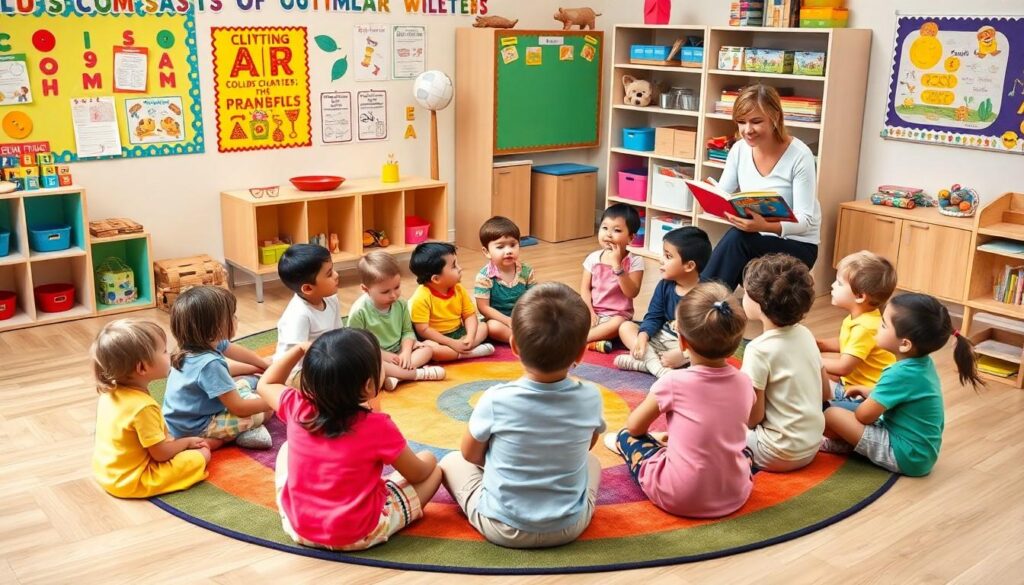
Circle time activities offer a range of engaging and educational experiences for preschoolers. These activities can incorporate interactive games, storytelling sessions, and music and movement, each contributing to developmental growth.
Interactive Games
Interactive games capture preschoolers’ attention while promoting teamwork and social skills. Games like “Simon Says” enhance listening abilities and physical coordination. Additionally, activities such as “Pass the Ball” encourage turn-taking and cooperation among peers. Simple board games can reinforce cognitive skills, introducing concepts of counting and strategy. Group participation fosters a sense of belonging in the classroom community and makes learning enjoyable.
Storytelling Sessions
Storytelling sessions ignite children’s imaginations while enhancing language development. Engaging stories can range from classic fairy tales to contemporary favorites, catering to diverse interests. Using props, puppets, or visuals can further captivate young audiences and deepen comprehension. Questions posed during storytelling promote critical thinking and discussion. This interactive format allows children to express their thoughts and enables vocabulary expansion, laying a strong foundation for future literacy skills.
Music And Movement
Music and movement activities energize circle time while fostering physical development. Singing familiar nursery rhymes encourages language retention and rhythm recognition. Incorporating dance or movement activities supports gross motor skills and coordination. Instruments like shakers or tambourines can enhance auditory experiences, teaching kids about different sounds. Movement breaks throughout the session keep energy levels high, making learning active and engaging.
Benefits Of Circle Time Activities
Circle time activities offer several benefits crucial for preschool development. They create an interactive space where children thrive socially, emotionally, and linguistically.
Social Skills Development
Social skills development occurs significantly during circle time. Children learn to share, take turns, and collaborate through group games. Participation fosters friendships and teaches conflict resolution. Equally important, discussions encourage children to express their opinions and listen to others. These interactions enhance teamwork abilities, setting the foundation for future social engagements. Overall, circle time cultivates a supportive environment that strengthens peer connections.
Language Acquisition
Language acquisition flourishes in circle time settings. Engaging storytelling and songs enrich children’s vocabulary and comprehension. Children practice pronunciation and sentence structure while participating in interactive discussions. Additionally, exposure to new words during activities expands their linguistic capabilities. Circle time activities also allow for repetition, which reinforces language learning. Listening to peers and educators alike further enhances their conversational skills, creating a dynamic learning atmosphere.
Emotional Growth
Emotional growth thrives during circle time activities. The structured routine provides a sense of security, helping children navigate their feelings. Through sharing experiences, they learn empathy and understanding for others. Participation in group activities fosters feelings of belonging and teamwork. Additionally, verbal expression of emotions enhances self-awareness and emotional regulation. This supports positive development, enabling children to form stronger connections within their classroom community.
Tips For Effective Circle Time Activities
Effective circle time activities enhance engagement and learning. Implementing the right strategies transforms this time into an enjoyable experience for preschoolers.
Setting Up The Environment
Creating a welcoming environment sets the tone for circle time. Arrange seating in a circle to foster inclusivity, allowing children to see and engage with each other. Use bright decorations and comfortable seating options to create a warm atmosphere. Incorporate visual aids like charts and pictures to support various activities. Consider the lighting; soft, natural light promotes a calm atmosphere that encourages focus. Maintain a clutter-free space to minimize distractions, helping children concentrate better during discussions and activities.
Engaging All Children
Engagement ensures that all children feel involved and valued. Introduce diverse activities that cater to different interests, including music, storytelling, and movement. Utilize props and interactive elements to stimulate participation and maintain attention. Encourage participation by asking open-ended questions, allowing each child to express themselves and share ideas. Divide children into smaller groups for certain activities, fostering collaboration and interaction. Use positive reinforcement to celebrate contributions, enhancing their confidence and willingness to participate further.
Conclusion
Circle time activities are essential for preschoolers’ growth and development. They create a vibrant space where children can explore language, build social skills, and express their emotions. By incorporating diverse and engaging activities, educators can capture young learners’ attention while fostering a sense of community.
The structured routine of circle time not only enhances cognitive abilities but also nurtures emotional regulation and teamwork. As children participate in songs, stories, and games, they develop confidence and a love for learning. This dynamic environment lays the groundwork for future academic success and personal growth.
Ultimately, circle time is more than just a daily routine; it’s a powerful tool that enriches preschoolers’ educational experiences and helps shape well-rounded individuals.