
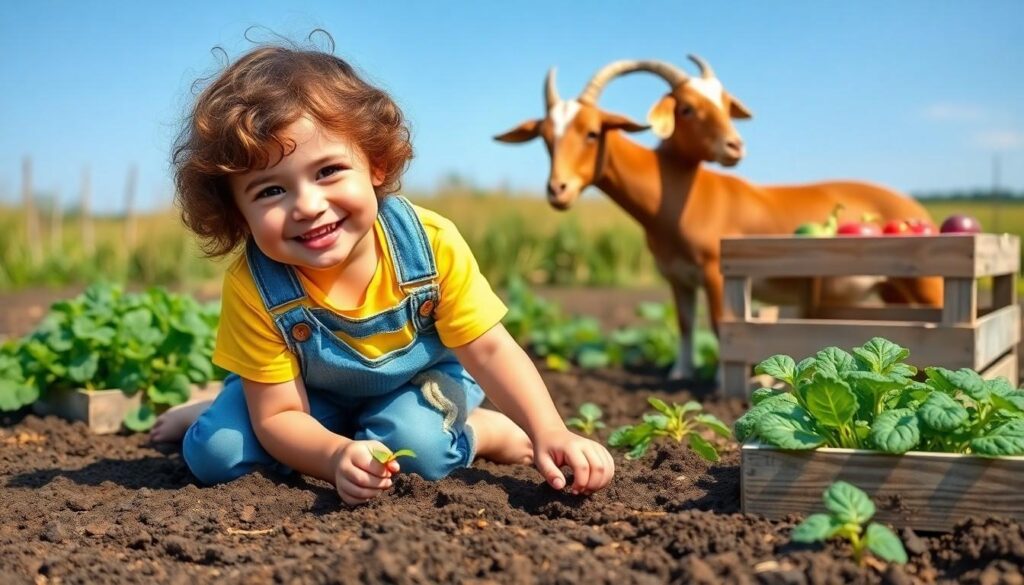
Imagine a world where tiny hands dig in the dirt, giggles fill the air, and the smell of fresh hay dances around. Farm activities for preschoolers offer a delightful blend of fun and learning that can turn any little one into a mini farmer. Whether it’s feeding animals or planting seeds, these hands-on experiences spark curiosity and creativity in young minds.
Overview of Farm Activities for Preschoolers
Engaging preschoolers in farm activities enriches their learning experiences. Activities such as planting seeds or feeding animals spark curiosity about nature. Young children benefit significantly from hands-on experiences, improving their motor skills and understanding of life cycles.
Farm-based activities provide opportunities for sensory exploration. Children touch soil, feel textures of plants, and hear sounds from animals. These experiences enhance cognitive development and stimulate creativity.
Simple tasks allow preschoolers to learn about responsibility as they care for animals. Moreover, observing different species fosters an appreciation for biodiversity. It’s essential that activities align with children’s interests to maintain engagement.
Organizing group activities promotes teamwork among preschoolers. Tasks like harvesting fruits or gathering eggs involve collaboration. This builds social skills while also teaching the importance of working together.
Incorporating storytelling into farm activities enhances the educational aspect. Narratives about farm life can capture children’s imaginations. They learn about routines, seasons, and farming practices through these stories.
Visual aids, like pictures of different crops or animals, can complement activities. Utilizing photos aids in memory retention and strengthens vocabulary. Teachers or caregivers can use these tools to create an immersive environment.
Lastly, seasonal activities, such as pumpkin picking in fall, offer new experiences throughout the year. Each season brings unique learning opportunities that keep children excited about farm life. Engaging preschoolers consistently promotes a lifelong love for nature and learning.
Benefits of Engaging in Farm Activities
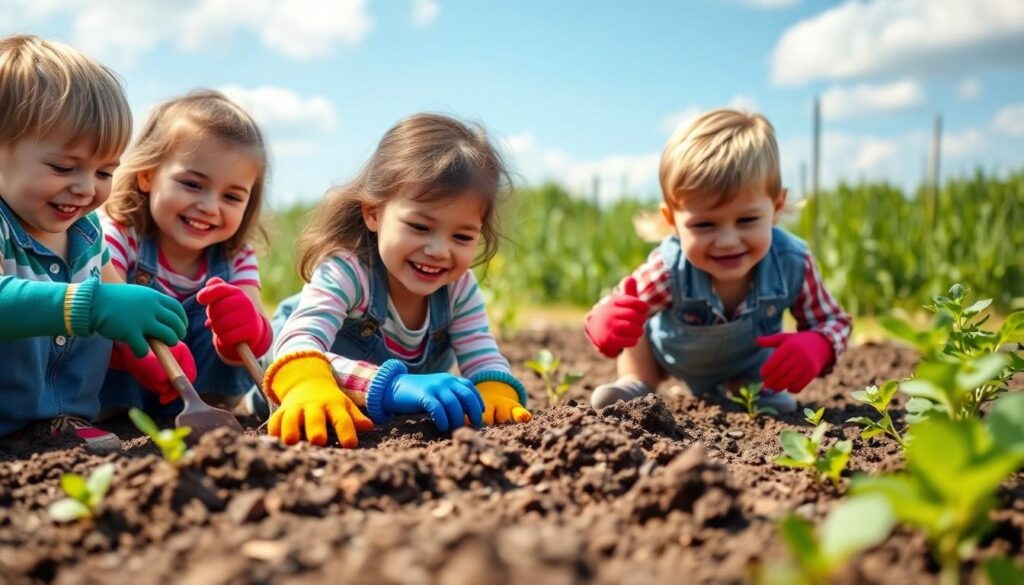
Farm activities serve as a rich platform for preschoolers to develop essential skills. These hands-on experiences enhance learning through active participation and exploration.
Physical Development
Farm activities significantly boost physical development in preschoolers. Engaging in tasks like digging and planting strengthens fine motor skills. Running around the farm increases gross motor abilities. Carrying feed or watering plants helps build overall strength and coordination. Children learn to balance while navigating uneven terrain, enhancing their stability. Climbing on hay bales or fences encourages them to test limits safely. Outdoor activities promote a healthy lifestyle by encouraging exercise. Experiencing the textures of soil and plants fosters sensory awareness. Ultimately, these interactions support a strong foundation for physical health and activity.
Cognitive Skills
Cognitive skills flourish through various farm activities. Understanding the life cycles of plants and animals adds depth to their knowledge of nature. Identifying different crops and livestock encourages observational skills. Children engage in problem-solving while figuring out how to care for animals or grow vegetables. Innovative thinking often emerges when they plan garden layouts or choose what to plant. Memory retention improves as they relate stories and experiences from the farm back to their everyday lives. Engaging in group activities typically enhances communication and socialization skills. Farm visits provide a concrete way to learn concepts like responsibility and cooperation, enriching their cognitive development further.
Popular Farm Activities
Farm activities engage preschoolers with hands-on experiences that foster learning and creativity. Activities like planting seeds, feeding animals, and harvesting crops create memorable moments and educational opportunities.
Planting Seeds
Planting seeds introduces children to the basics of gardening. Kids learn about different seed types while gaining insights into the growth process. They immerse themselves in the soil, feel its texture, and understand the importance of sunlight and water. This hands-on experience boosts fine motor skills as they dig holes and plant seeds. Observing seed changes over time also enhances their cognitive skills and fosters curiosity about nature.
Feeding Animals
Feeding animals builds excitement for preschoolers while teaching responsibility. Children interact with various farm animals, discovering their needs and behaviors. They learn which animals eat what, fostering an understanding of nutritional requirements. Engaging in this activity promotes fine motor skills, as kids fill food bowls and connect with the animals. This direct interaction cultivates a sense of empathy towards living creatures and encourages their curiosity about farm life.
Harvesting Crops
Harvesting crops offers preschoolers a tangible connection to their food sources. Kids experience the excitement of gathering ripe fruits and vegetables, teaching them about the agricultural cycle. This activity strengthens gross motor skills as they bend, reach, and carry items. Learning about the colors and textures of different crops enhances sensory exploration. Sharing the harvest with family and friends fosters social skills and promotes the concept of sharing, enriching their farm experience.
Creative Farm-Themed Activities
Farm-themed activities encourage creativity and imagination in preschoolers. Engaging in arts and crafts enhances fine motor skills while fostering a love for nature.
Arts and Crafts
Art projects centered around farm life inspire preschoolers to express their creativity. Children can create animal masks using paper plates, paint, and various art supplies. Creating collage scenes depicting barns and fields allows them to explore textures and colors. Plant-themed crafts, like making flower pots from cups, provide practical gardening experience. Preschoolers gain fine motor skills as they cut, glue, and assemble their projects. These fun activities not only produce unique creations but also teach children about farm elements such as crops and animals.
Storytime and Role Play
Integrating storytime with farm themes captivates preschoolers’ imaginations. Reading books about farm animals, crops, and daily farm life sparks curiosity and enhances vocabulary. After storytelling, role-playing allows them to act out different farm scenes. Children take on roles like farmer, animal caretaker, or vegetable harvester, immersing themselves in the experience. These interactive sessions strengthen social skills as they collaborate with peers during play. Building narratives around farm life cultivates creativity while reinforcing important concepts related to nature and teamwork.
Conclusion
Farm activities offer preschoolers a unique blend of fun and education. By participating in hands-on tasks, children not only develop essential skills but also cultivate a deep appreciation for nature. These experiences foster creativity and curiosity, enriching their understanding of the world around them.
Engaging with farm life promotes teamwork and social skills, while also enhancing cognitive development through exploration and problem-solving. As preschoolers dive into the joys of planting, feeding, and harvesting, they create lasting memories that ignite a passion for learning. Embracing these activities can lay a strong foundation for a lifelong love of nature and the environment.