
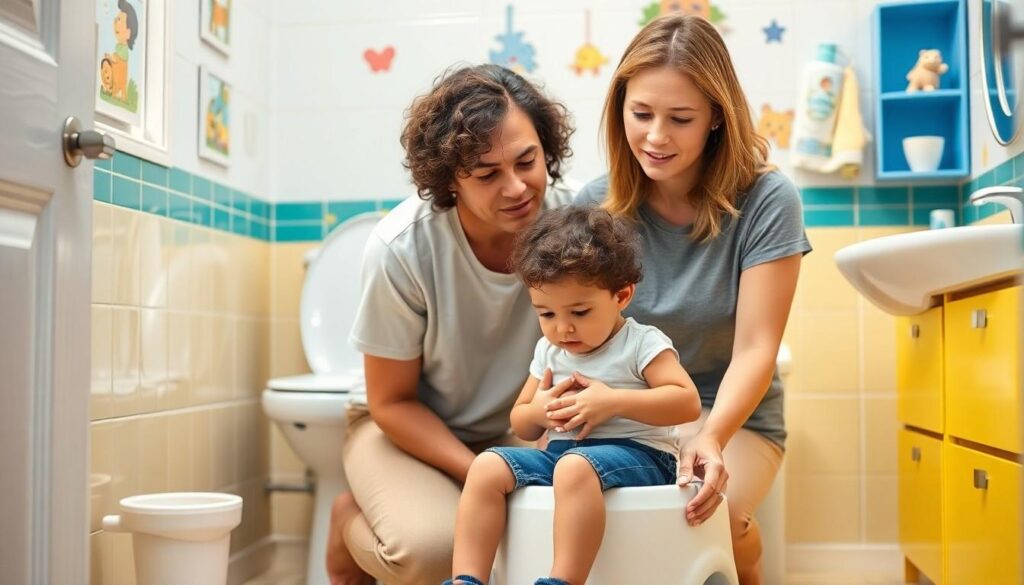
When it comes to parenting, some topics can be a bit of a pain—literally! Hemorrhoids in toddlers might not be the first thing that comes to mind when you think of childhood ailments, but they can happen. Imagine your little one feeling uncomfortable and cranky, and you have no idea why. That’s where understanding this condition becomes crucial.
Understanding Hemorrhoids in Toddlers
Hemorrhoids can affect toddlers, often causing discomfort that may not be easily recognized. Parents should be aware of the symptoms and underlying causes.
What Are Hemorrhoids?
Hemorrhoids refer to swollen veins in the lower rectum and anus. Symptoms may include pain, itching, and sometimes bleeding during bowel movements. These swollen veins occur due to increased pressure and can be external or internal. In toddlers, external hemorrhoids appear as small lumps around the anal area. Recognizing these symptoms early can help parents seek appropriate care and ensure their child’s comfort.
Causes of Hemorrhoids in Toddlers
Several factors contribute to the development of hemorrhoids in toddlers. Straining during bowel movements is a primary cause, often linked to constipation. A diet low in fiber may exacerbate this condition, making it essential to include fruits and vegetables. Dehydration can also play a critical role, as it leads to harder stools. Additionally, prolonged sitting during potty training may contribute to increased pressure in the anal area. Understanding these causes aids parents in preventing discomfort for their children.
Identifying Symptoms of Hemorrhoids
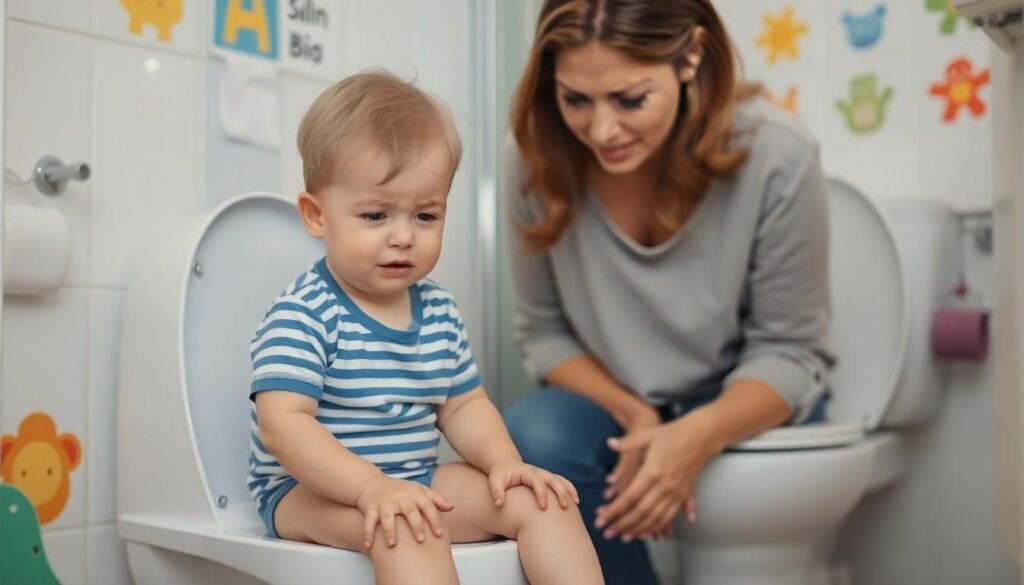
Recognizing symptoms of hemorrhoids in toddlers proves essential for addressing discomfort. Several signs indicate the presence of this condition.
Common Signs to Look For
Parents often notice pain or discomfort during bowel movements. Itching around the anal area frequently occurs as well. Occasionally, small lumps may appear around the anus, indicating external hemorrhoids. Blood may also surface on toilet paper or in the stool, signifying a more serious issue. Changes in a toddler’s bowel habits, such as constipation or straining, can further suggest the presence of hemorrhoids.
When to Seek Medical Attention
Seeking medical advice becomes critical when severe pain limits a child’s activities. Persistent bleeding should prompt immediate consultation with a healthcare provider. If symptoms worsen despite home treatment, obtaining professional evaluation is vital. Parents should not hesitate to reach out if they notice significant changes in bowel habits or worsening discomfort. Early intervention often helps reduce complications and ensures proper management of the condition.
Diagnosing Hemorrhoids in Toddlers
Diagnosing hemorrhoids in toddlers requires careful observation and assessment. Parents play a vital role in identifying potential issues through initial evaluations.
Visual Examination
A visual examination often reveals signs of hemorrhoids. Healthcare professionals check for swelling or unusual lumps around the anal area. They may also look for irritation or redness, indicating discomfort. External hemorrhoids typically appear as small, soft bumps. Identifying these features assists in diagnosing the condition accurately. Visual cues alone can guide the next steps in treatment.
Medical History and Symptoms
Medical history provides context for the toddler’s current condition. Healthcare providers ask about the child’s bowel habits and dietary intake. Parents should report any recent changes, such as constipation or difficulty during bowel movements. Symptoms like pain during defecation and itching around the anus are critical indicators. Notably, persistent bleeding or other alarming symptoms may warrant immediate medical evaluation. Gathering this information establishes a comprehensive understanding of the child’s health.
Treatment Options for Hemorrhoids
Addressing hemorrhoids in toddlers involves various treatment options, ranging from simple home remedies to medical procedures. Parents can choose the approach that best suits their child’s needs while consulting with a healthcare professional.
Home Remedies and Care
Increasing fiber intake can help soften stools and make bowel movements easier. Encourage the child to consume fruits, vegetables, and whole grains. Plenty of fluids is also important to prevent dehydration, which can contribute to constipation. Warm baths can provide relief, soothing the anal area and reducing discomfort. Parents should also promote good bathroom habits, ensuring the child doesn’t strain while using the toilet. When taking these measures, it’s crucial to monitor the child’s symptoms for any changes.
Medical Treatments and Procedures
In some cases, medical intervention may be necessary. A doctor may recommend topical treatments that can alleviate pain and itching. Prescription medications might also be offered to address inflammation. If symptoms persist despite home care and medication, a healthcare provider may suggest minimally invasive procedures to remove or reduce hemorrhoids. Such procedures are typically quick and have a low risk of complications. Immediate medical attention is essential for severe cases, especially when there’s persistent bleeding or significant discomfort.
Preventive Measures for Hemorrhoids
Taking preventive measures can significantly reduce the risk of hemorrhoids in toddlers. Focus on dietary changes and promoting healthy toilet habits.
Dietary Changes
Increasing fiber intake is vital for preventing hemorrhoids. Incorporating fruits, vegetables, and whole grains helps to soften stools. Adequate hydration plays a crucial role, so parents should encourage their toddlers to drink enough fluids. Foods like beans, oatmeal, and prunes can aid in digestion. Offering a variety of high-fiber snacks can make meals more appealing. Reducing processed foods and sugars also promotes better gut health. Children benefit from regular meal times to establish a healthy routine.
Promoting Healthy Toilet Habits
Creating a positive bathroom experience can help prevent straining. Encourage toddlers to sit comfortably and relax while using the toilet. Regular bathroom breaks should be part of their daily routine. Allowing them to take their time reduces the urge to rush. Through gentle reminders, parents can help their children listen to their bodies. Using a step stool can improve posture, aiding in easier bowel movements. Avoiding prolonged sitting during potty training is essential to minimize pressure. Each of these habits supports healthy bowel function, thereby reducing the risk of hemorrhoids.
Conclusion
Addressing hemorrhoids in toddlers is crucial for their comfort and well-being. Parents must stay vigilant and recognize the signs of this condition to seek timely intervention. By promoting a healthy diet and encouraging good bathroom habits, they can significantly reduce the risk of hemorrhoids.
Understanding the symptoms and treatment options empowers parents to act quickly if their child experiences discomfort. With proper care and attention, toddlers can overcome this issue and maintain a healthy lifestyle. Parents should always consult a healthcare professional if symptoms persist or worsen, ensuring their child’s health remains a top priority.